
Elevator 101
A Building Owner/Manager’s Guide to Elevators
The Knowledge You Need to Keep Things Moving
Owning or managing a building with an elevator means managing one of your property’s most vital — and complex — systems. Whether you oversee a high-rise, a commercial complex, or a residential community, understanding how elevators work, how to maintain them, and when to call for service helps keep your tenants safe and your building running smoothly.
Helping You Keep Your Elevators and Your Building Running Smoothly
Understanding Your Elevator System
The most common elevator types are hydraulic (powered by fluid pressure, typically for low-rise buildings up to 7 stories), traction (using cables and counterweights for mid- to high-rise structures), and machine-room-less (MRL) elevators, which combine traction technology with space-saving designs.
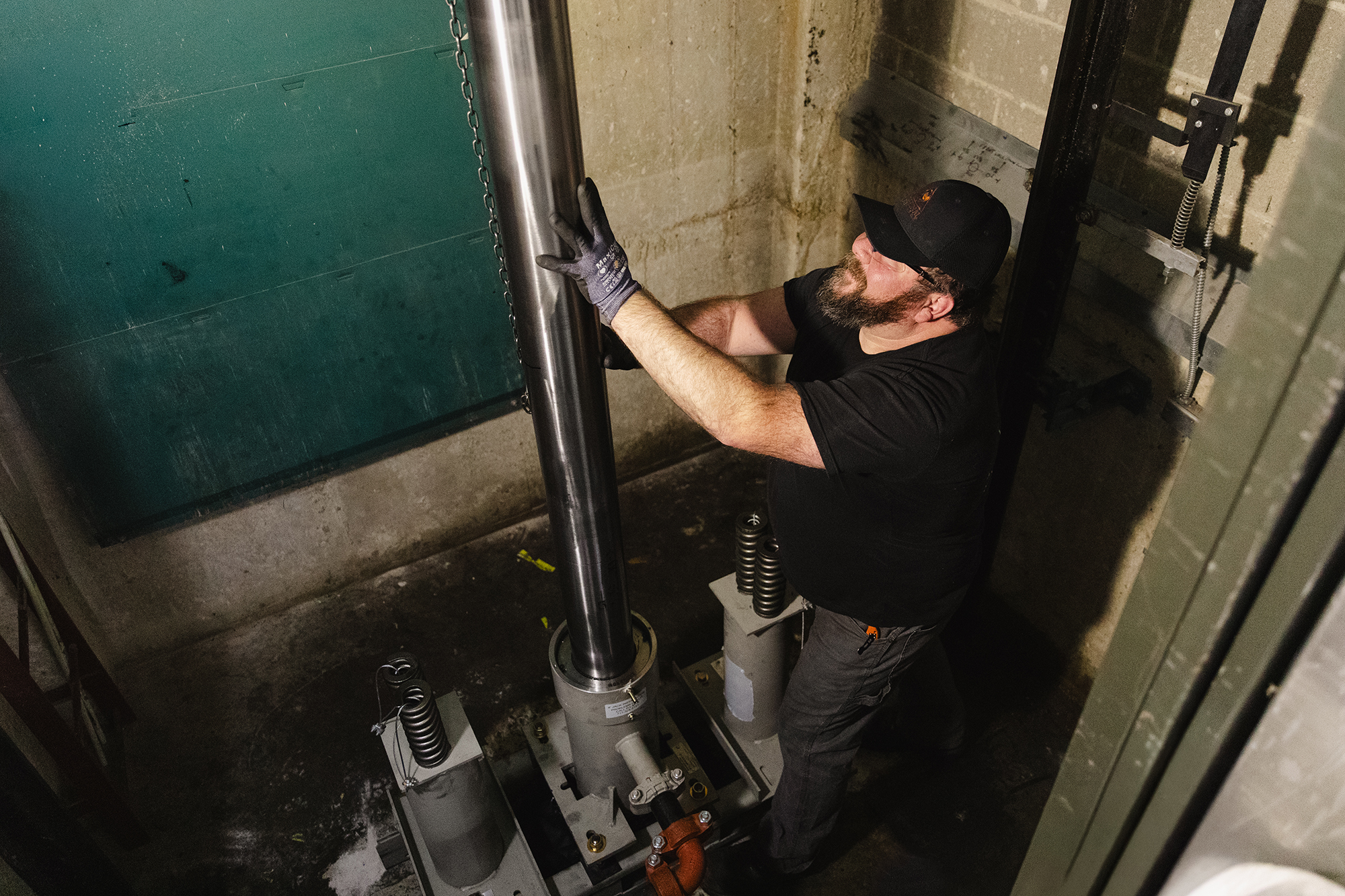
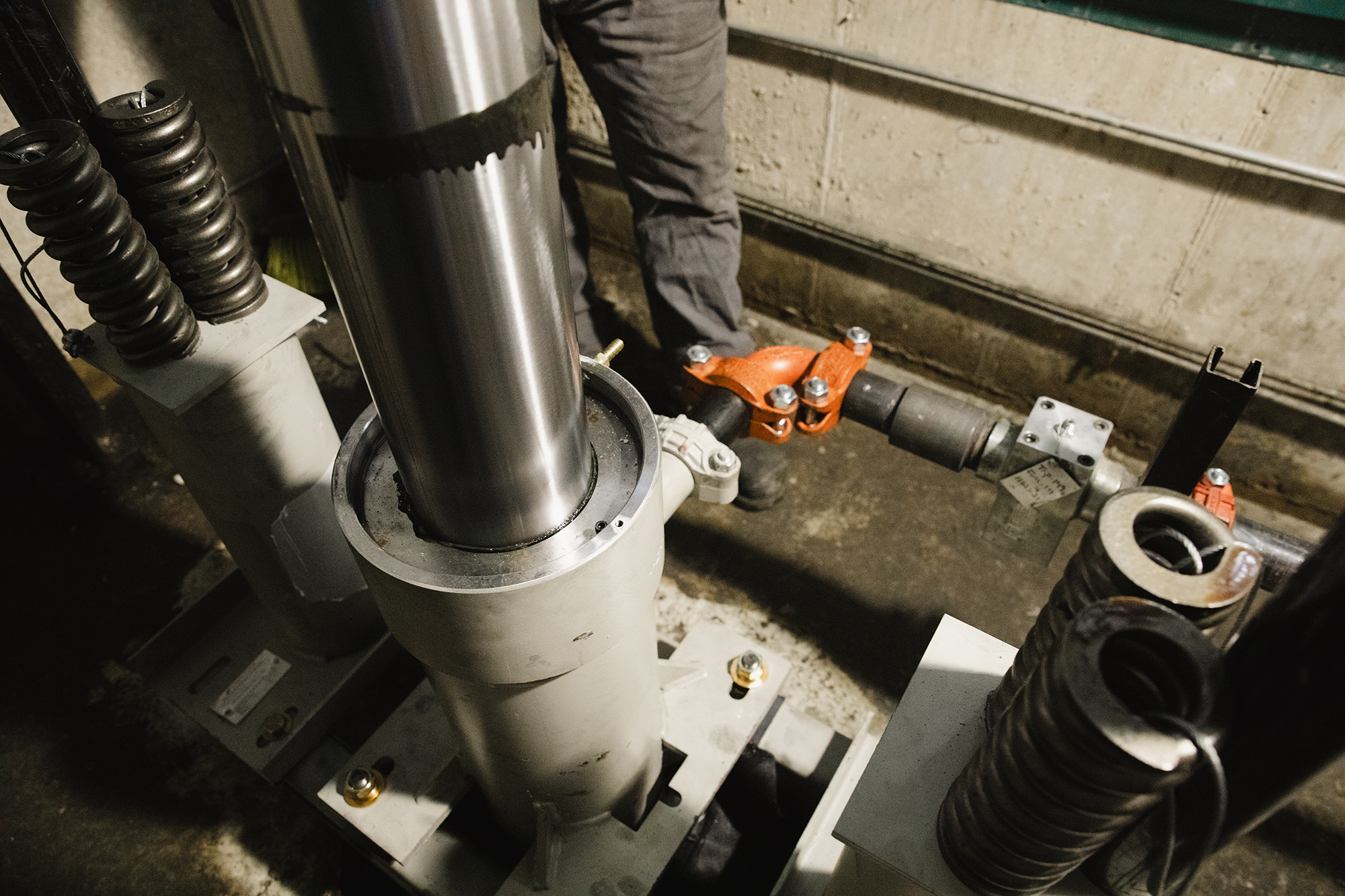
Your maintenance provider can identify the type by inspecting the machine room or hoistway. Hydraulic systems will have a fluid pump and cylinder, while traction systems use steel cables, counterweights, and an overhead machine.
An elevator system includes the cab (car), hoistway, controller, doors, drive system, and safety mechanisms like governors and brakes. Each part must work together precisely for safe and smooth operation.
With regular maintenance, most elevators last 25–30 years before needing modernization or major upgrades.
Elevators typically account for 3–10% of a building’s total energy usage, depending on usage frequency and technology. Modern energy-efficient drives and LED lighting can greatly reduce this.
Signs Your Elevator Needs Service
- Unusual noises
- Jerky rides
- Slow door operation
- Vibration
- Unlevel stopping
- Frequent resets
Maintenance & Service
Maintenance is dependent on elevator type, usage level, and environmental factors. Cardinal Elevator typically recommends monthly or quarterly maintenance depending on these factors.
Our experienced technicians inspect doors, safety devices, controls, and ride quality, making adjustments as needed. We also check fluid levels (for hydraulics), cables, and electrical connections. Regular visits ensure reliability and longevity of your equipment.
Skipping maintenance can lead to increased downtime, safety risks, code violations, and higher repair costs. Neglected elevators fail inspections more frequently and have shorter overall lifespans.
Unusual noises, jerky rides, slow door operation, vibration, unlevel stopping, or frequent resets are all red flags that service is needed.
Legally, no. Operating an elevator without a valid inspection certificate may result in fines, liability issues, or shutdown orders.
Maintenance contracts generally include scheduled service visits, basic repairs, adjustments, and documentation. Based on your equipment, major parts and emergency repairs may also be included.
Call Cardinal Elevator or current service provider. Do not attempt to open doors or reset breakers yourself. If passengers are trapped, contact emergency services and your elevator service provider immediately.
You’ve got questions. We’ve got answers.
Safety & Compliance
Most states, including Missouri and Illinois, require annual safety inspections by a licensed elevator inspector, with documentation filed for compliance.
Only state-licensed elevator mechanics can perform official inspections, which must be witnessed by a state-licensed inspector. Cardinal Elevator can coordinate these inspections and correct any deficiencies.
Modern systems must include door safety sensors, emergency brakes, communication systems, overload sensors, and automatic leveling for floor accuracy.
No — elevators cannot free-fall. Hydraulic systems are supported by pressurized fluid, and traction elevators have multiple cables, brakes and safety devices that engage automatically if power is lost.
Stay calm, use the emergency phone or alarm button, and wait for help. Never attempt to force the doors open. Elevator cars are designed to remain safe and stable in such situations.
Maintain copies of inspection certificates, service records, and repair logs for at least five years. These documents prove compliance and support warranty claims.
This is the national safety standard for elevator design, construction, and maintenance — ensuring every system meets rigorous safety and performance requirements.
Modernization & Upgrades
Modernization upgrades existing systems with new technology — extending life and improving performance — while replacement involves removing and installing a completely new system. Modernization is typically more cost-effective.
Frequent breakdowns, outdated controls, slow performance, poor leveling, and parts obsolescence are all signs it’s time to modernize.
Modernization improves ride comfort, reliability, efficiency, energy savings, and aesthetics — while extending your elevator’s lifespan by 15–20 years.
Minimal disruption is the goal. Most modernization projects are planned in phases to keep at least one elevator in service at all times.
Depending on the scope, hydraulic elevators can take 4-6 weeks, traction elevators can take an 10-16 weeks. Contact Cardinal sales representatives for accurate time frames.
Yes. You can upgrade individual components — such as controls, doors, or interiors — to improve performance without replacing everything.
Regenerative drives, LED cab lighting, and smart dispatch systems all reduce energy use and improve performance.
Absolutely — modernized elevators increase property value while improving tenant satisfaction and retention.
Managing Elevator Costs
Maintenance costs vary widely. Please reach out to Cardinal Elevator for a free consultation and pricing.
Proprietary equipment, obsolete components and lack of maintenance can all contribute to increased repair costs.
Cardinal Elevator can provide a 5-year capital plan outlining likely upgrades, estimated costs, and timelines.
Yes — many providers, including Cardinal Elevator, offer phased modernization or payment plans to spread costs over time.
Local regulations and the number of elevators in your building determine annual fees. Some municipalities also charge re-inspection or permit renewal costs.
Regular maintenance reduces unexpected repairs, extends equipment life, and prevents shutdowns that can inconvenience tenants and cause liability issues.
Common Terms to Know…
- Hoistway – The vertical shaft where the elevator travels.
- Controller – The relay or computer based system that directs elevator operation.
- Governor – A safety device designed to monitor and control the car’s speed, serving as a mechanical failsafe that prevents the elevator from falling.
- Pit – The space below the lowest floor, providing impact protection and safe working space for technicians.
- Traction System – Uses cables and counterweights for movement.
- Hydraulic System – Uses fluid pressure to raise and lower the car.
- Machine Room-Less (MRL) – A compact system without a separate machine room.
- Cab Interior – The finished space passengers ride in.
- Hoistway – The vertical shaft where the elevator travels.
- Controller – The relay or computer based system that directs elevator operation.
- Governor – A safety device designed to monitor and control the car’s speed, serving as a mechanical failsafe that prevents the elevator from falling.
- Pit – The space below the lowest floor, providing impact protection and safe working space for technicians.
- Traction System – Uses cables and counterweights for movement.
- Hydraulic System – Uses fluid pressure to raise and lower the car.
- Machine Room-Less (MRL) – A compact system without a separate machine room.
- Cab Interior – The finished space passengers ride in.
Building Operations & Tenant Communication
Take all complaints seriously. Record details (noise, time, floor, direction) and report them to your service provider for investigation.
Only licensed elevator technicians and authorized building personnel should access these areas for safety and liability reasons.
Schedule non-urgent work during off-peak hours, keep tenants informed, and coordinate closely with your elevator provider to maintain at least one operational unit.
Include a “Temporarily Out of Service” sign with contact info and estimated repair time. If applicable, list alternative access routes or freight elevator use.
Always post clear signage with expected downtime and contact information. Email notifications are also effective for commercial buildings.
About Cardinal Elevator
You can call us directly at (314) 471-0070 or fill out the contact form on our website. We’ll respond promptly to schedule an evaluation and provide a detailed quote tailored to your building and service needs.
Yes! Please contact our us at 314-471-0070.
Yes. Every technician at Cardinal Elevator is union-trained and licensed, bringing years of experience and technical expertise to every job. Our team follows strict safety and quality standards to ensure reliable performance and code compliance on every task.
Cardinal Elevator proudly serves St. Louis, Kansas City, Central Missouri, Southeast Missouri, Central Illinois, and Southern Illinois. If you’re located nearby, we can provide quick response times and personalized service.
Our union-trained technicians service all major makes and models of commercial elevators — including traction, hydraulic, and machine-room-less (MRL) systems. Cardinal Elevator maintains and repairs systems from leading manufacturers such as Otis, Schindler, KONE, and TK Elevator, among others.
We do both. Cardinal Elevator provides complete commercial elevator installation, modernization, and service. Whether you’re constructing a new building or upgrading an existing system, our team delivers efficient, code-compliant results.
Experience the Cardinal difference
Need expert help with your elevator?
Whether it’s maintenance, inspections, modernization, or emergency repairs, our team keeps your systems moving safely and efficiently. Reach out to us now – we’re here to help!
